
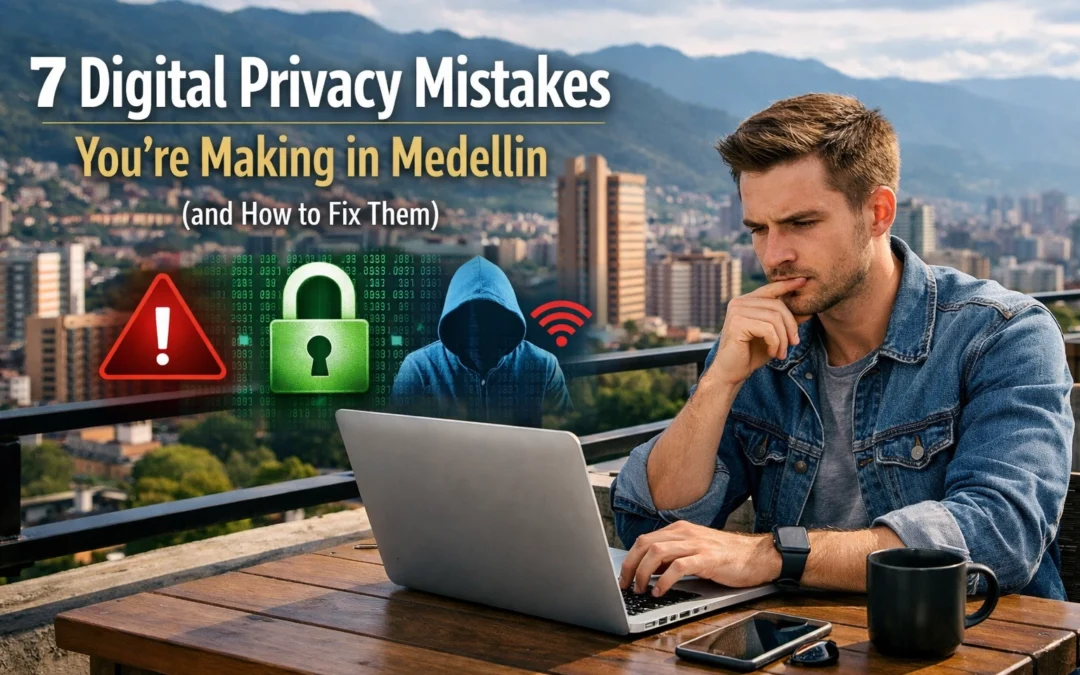
You’ve landed in Medellin, the sun is shining over the Aburrá Valley, and you’re ready to live your best life. You’ve got your El Poblado Airbnb booked and your dinner reservations set. But while you’re busy looking at the views, who is looking at your data?
In 2026, security isn't just about having a professional security driver or a bulletproof SUV. It’s about what’s happening on your smartphone. Digital privacy is the new frontline of personal safety. In a city as tech-savvy as Medellin, criminals aren't just lurking in shadows; they’re lurking on your network.
At 911 Medellin, we’ve seen how digital slip-ups lead to physical threats. Here are the 7 digital privacy mistakes you’re likely making right now and exactly how to fix them before they turn into a real-world problem.
1. Connecting to Public Wi-Fi Without a VPN
We get it. You’re at a trendy cafe in Provenza, you need to send a few emails, and the "Free Guest Wi-Fi" is right there. It’s tempting. But it’s also one of the easiest ways for a hacker to perform a "Man-in-the-Middle" attack. They can intercept everything you send: passwords, bank details, and private messages.
Colombia also operates sophisticated monitoring systems like PUMA (Plataforma Única de Monitoreo y Análisis). While intended for law enforcement, any unencrypted data moving through local infrastructure is technically "up for grabs" if the wrong person knows how to look.
The Fix: Never, ever browse without a high-quality VPN (Virtual Private Network). A VPN creates an encrypted tunnel for your data. Even if someone intercepts your connection, all they’ll see is gibberish. Think of it as a shadow escort for your digital data: always there, keeping things private, but invisible to the public.
2. Oversharing on Dating Apps (Tinder & Bumble)
Are you looking for love or a setup? In Medellin, dating apps are a primary tool for "Honey Trap" robberies. Criminals create high-end profiles to lure travelers into a false sense of security. If your profile lists your full name, where you work, or photos that clearly show the view from your specific apartment balcony, you’ve just given a predator a roadmap to your life.
The Fix: Keep your profile vague. Don't link your Instagram. Don't mention your specific neighborhood. Most importantly, if you are meeting someone for the first time, you need a "Date Shield." We offer low-profile protection that keeps an eye on you from a distance to ensure the person you met online is who they say they are.
Check out our guide on how to stay safe on a date in Medellin for more details.
3. Leaving Bluetooth and AirDrop "Open to Everyone"
Walking through a crowded mall like El Tesoro or a busy club in Parque Lleras with your AirDrop set to "Everyone" is like leaving your front door unlocked in a storm. Sophisticated thieves can use Bluetooth vulnerabilities to "blue-snarf" your contact list, photos, or even gain control of your device.
The Fix: Set AirDrop to "Receiving Off" or "Contacts Only." Turn off your Bluetooth when you aren't actively using it. It saves battery and closes a major digital entry point.
4. Live-Posting Your Location on Social Media
We know you want to show off that view from the rooftop bar. But posting a "Live" story with a location tag tells the world: and potential spotters: exactly where you are at that moment. If you’re a high-net-worth individual or a VIP, this is a massive tactical error. It allows someone to track your movements and predict where you’ll be in 20 minutes when you walk out to find an Uber.
The Fix: The "Post-Delayed" rule. Only post your photos and videos after you have left the venue. If you’re at an exclusive event, wait until the next day. This keeps your current location a mystery and ensures no one can set up an "accidental" meeting outside. For high-profile clients, 911 Medellin provides VIP nightlife security to ensure your exit is as secure as your entrance.
5. Neglecting Physical Device Security (The "Grab and Go")
Digital privacy isn't just about software; it’s about the hardware. If your phone is sitting on the table at an outdoor cafe, it’s a target. If a thief grabs your unlocked phone and runs, they don't just have a $1,200 piece of tech: they have your emails, your logged-in banking apps, and your identity.
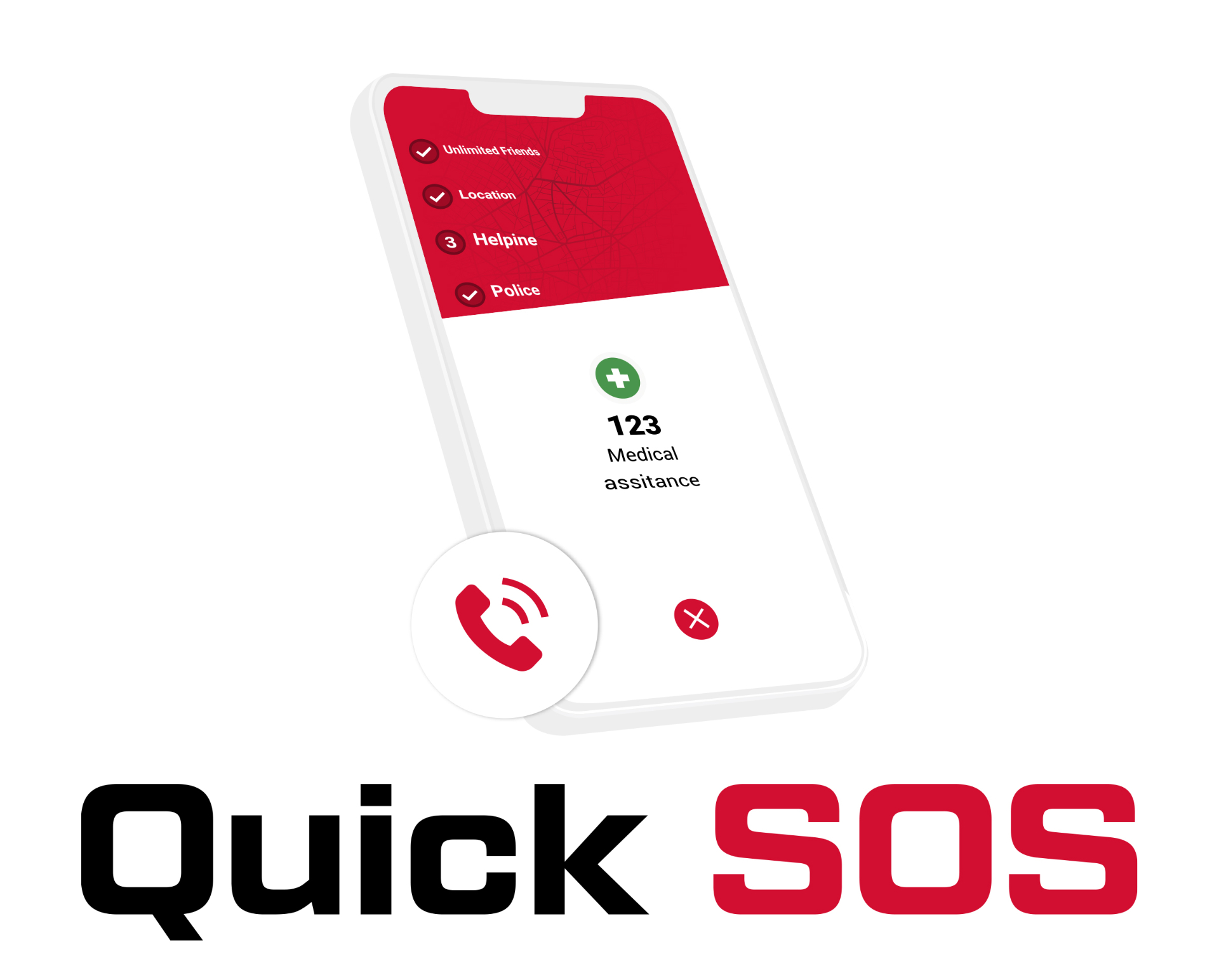
The Fix: Use "Stolen Device Protection" features (available on iOS and Android). Ensure your phone requires FaceID or a passcode for everything. Also, consider using a discreet personal tracker or an SOS app that alerts a professional security team the moment something goes wrong.

6. Using SMS for Sensitive Conversations
Standard text messages (SMS) are not secure. In Colombia, telecommunications companies are required to store data that can be accessed via PUMA. If you are discussing business deals, travel itineraries, or security arrangements over regular text, you are essentially shouting them in a crowded room.
The Fix: Use encrypted messaging apps like Signal or WhatsApp (with end-to-end encryption enabled). For the highest level of privacy, Signal is the industry gold standard. It doesn't store metadata, meaning even if someone seized the servers, there’s nothing to read. When you work with 911 Medellin, our armed bodyguards and dispatch teams use secure channels to ensure your itinerary stays between us.
7. Ignoring App Permissions (The "Privacy Leak")
Did that flashlight app really need access to your microphone and contacts? Many apps you download while traveling: like local delivery or ride-sharing apps: request more data than they need. In some cases, this data is sold to third parties or used to track your habits and locations across the city.
The Fix: Do a "Privacy Audit" on your phone today. Go into your settings and see which apps have access to your location "Always." Switch them to "While Using" or "Never." If an app doesn't need to know where you are to function, don't tell it. Your privacy is your power.
Why Digital Privacy Matters for Physical Safety
You might think, "I'm just a tourist, why would anyone target my data?" The reality is that digital intelligence is often the first step in a physical crime. Whether it’s scopolamine setups or targeted robberies, criminals in 2026 use every tool at their disposal.
At 911 Medellin, we don't just provide "muscle." We provide comprehensive threat assessment. We look at the digital footprint you're leaving behind and help you clean it up so you don't become a target. From bulletproof SUVs to encrypted communication protocols, we’ve got your back on the streets and on the web.
So, don't give the bad guys an easy win. Fix these mistakes today, and enjoy Medellin with the peace of mind you deserve.
What Our Clients Say
"I thought I was being safe until I spoke with the team at 911 Medellin. They showed me how much information I was accidentally leaking online. Between their digital advice and their professional security drivers, I’ve never felt safer traveling for business."
: Danny Tremblay
Ready to Secure Your Trip?
Don't wait for a digital breach to become a physical threat. Contact 911 Medellin today for the ultimate peace of mind. Whether you need a full security detail, a shadow escort for a date, or secure airport transfers, we are the experts in Medellin safety.
Contact 911 Medellin:
- Website: 911medellin.com
- Phone/WhatsApp: +57 300 911 0911
- Email: info@911medellin.com
- Services: Explore our full range of protection
Stay safe. Stay secure. Stay with 911 Medellin.